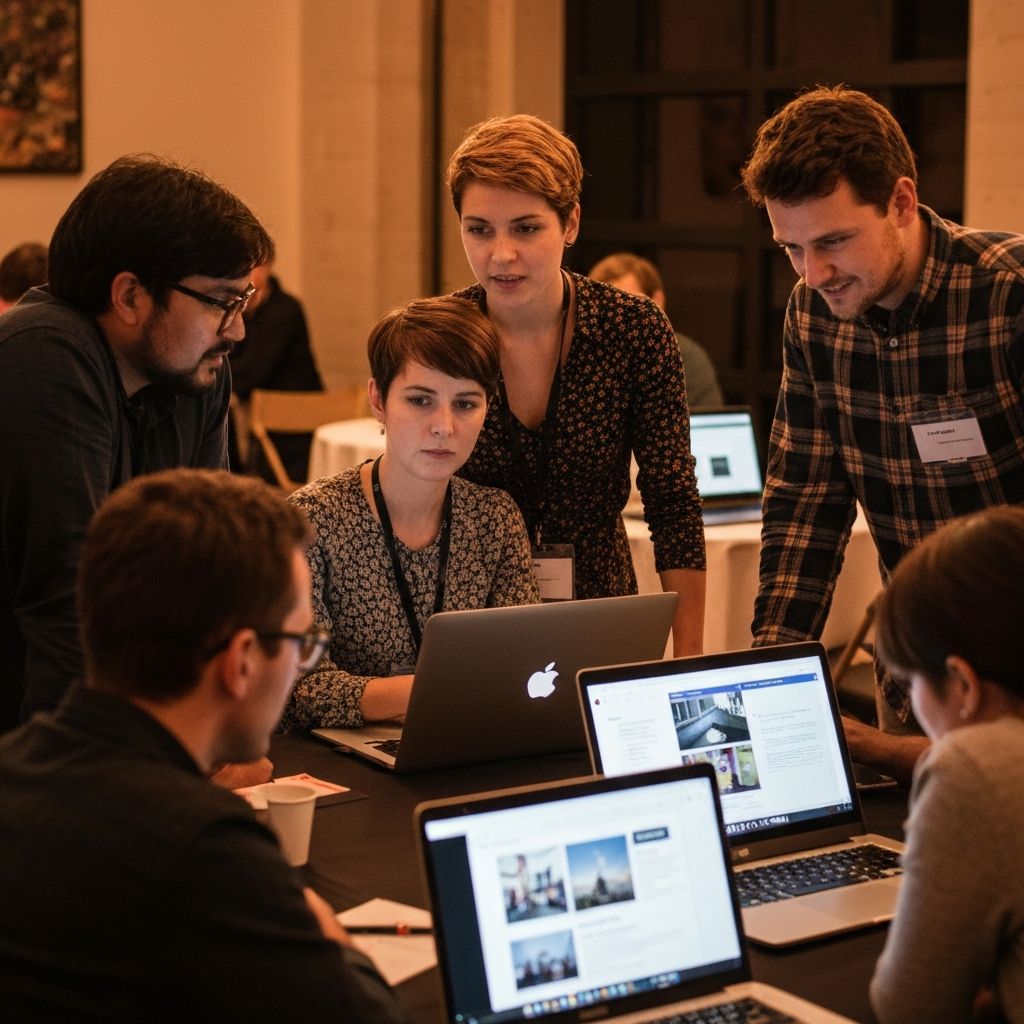
The most successful startups do not just build products -- they build communities. Figma, Notion, and dbt all grew through passionate communities that evangelized the product, created content, and supported each other. Here is how to build that flywheel for your startup.
Community vs. Audience
An audience listens to you. A community talks to each other. The distinction matters: an audience depends on your continued content output, while a community is self-sustaining. Your goal is to create the conditions for members to connect with and help each other, not just with you.
Where to Build
Choose your platform based on where your users already spend time: Slack or Discord for real-time developer communities, LinkedIn Groups for B2B professional communities, Forums (Discourse, Circle) for long-form discussion, and GitHub Discussions for open-source communities. Start with one platform and do it well.
The Community Flywheel
Content (members share knowledge) leads to Engagement (discussions, Q&A, events) which leads to Advocacy (members recommend your product) which brings Growth (new members join) which creates more Content. Your job is to seed and nurture this flywheel until it becomes self-sustaining.
Events and Meetups
Regular events give your community rhythm and energy: weekly office hours or AMAs, monthly webinars or workshops, quarterly virtual meetups, and annual in-person conferences or unconferences. Start small (10-person meetups) and scale as demand grows.
Measuring Community Health
Track: active member percentage (what % of members contribute each month), response time (how quickly do community members help each other), content creation rate (user-generated posts, guides, tutorials), and community-influenced revenue (deals where the community played a role in the buyer's journey).